HTM81 D4 Vs. HTM72
Diamond Tweeter
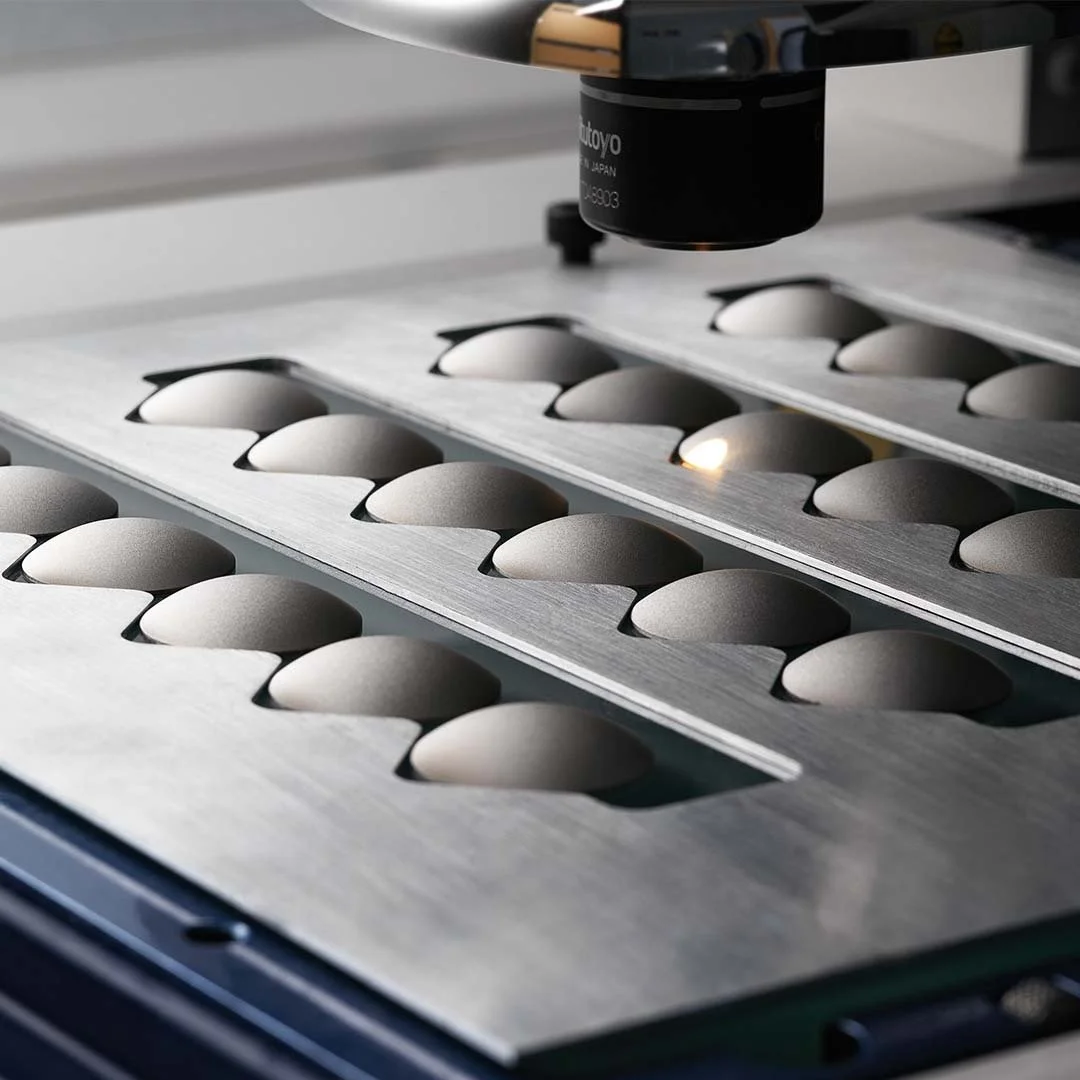
The diamond tweeter is not a carbon-coated piece of fabric or metal. It is a 40 micron thick synthetic diamond dome - It is a feat of engineering, and it is thinner than a human hair. It is extremely light and rigid. It maintains pistonic motion, and breakup is pushed beyond ~70kHz well. In other words, not even Fido can detect a breakup in this.
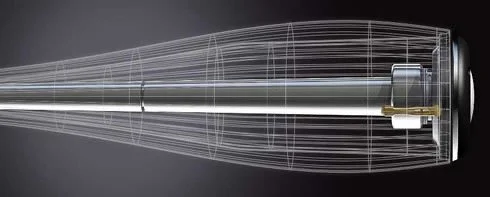
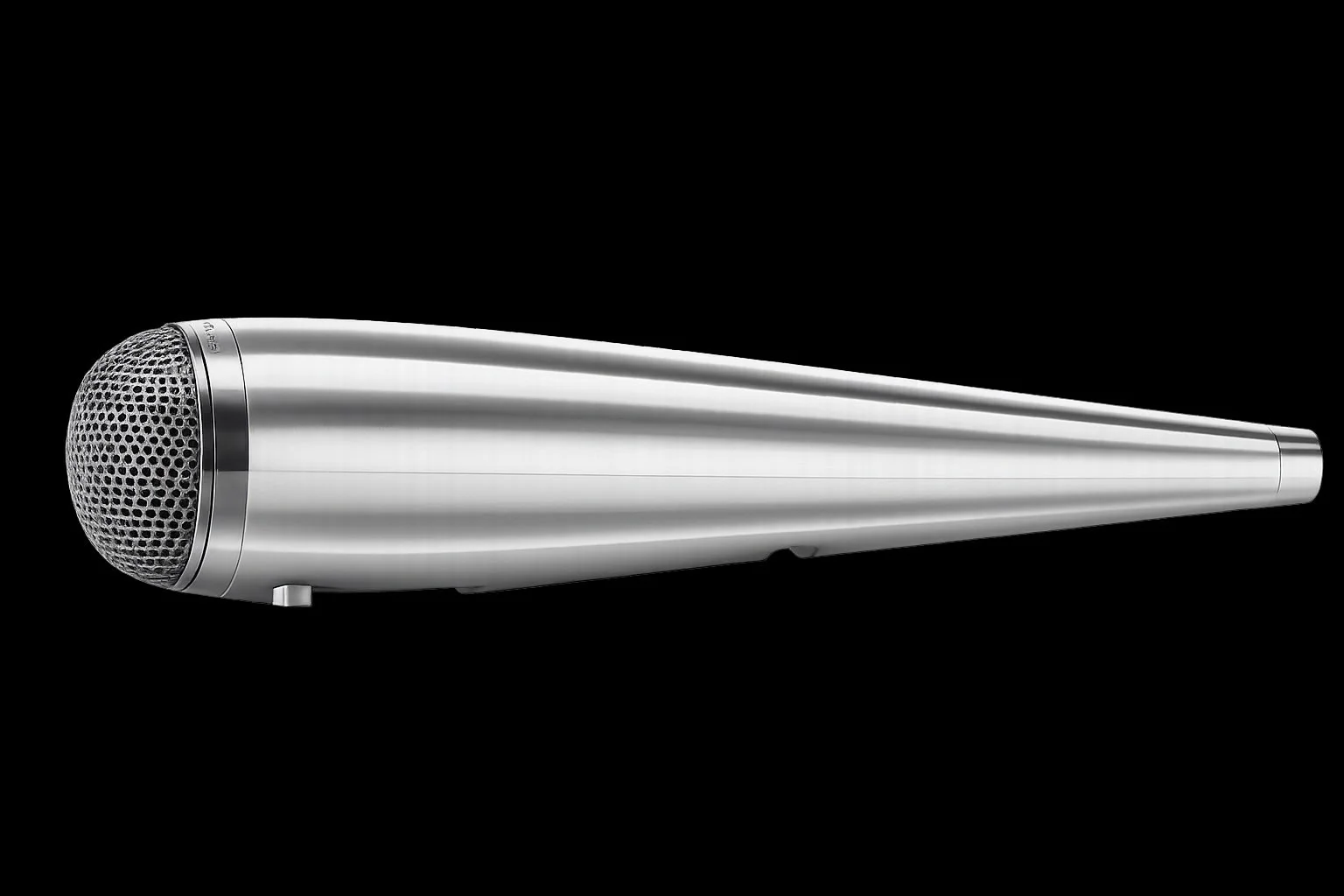
The tube-loaded tweeter is now a classic Bowers and Wilkins look that dates back to the iconic Natulius speakers launched in 1993 and still in production today.
The tweeter sits in a tapered tube machined from a solid chunk of billet aluminum. It doesn’t just look cool; it serves several purposes. First, it mechanically isolates the tweeter from the main speaker cabinet, eliminating any potential resonance. Second, when a tweeter fires, it sends sound waves both forward from the part you see and to the rear from the part inside your speaker. These rear-firing waves reflect off the back of the tweeter housing back into the tweeter’s dome, creating time smear, resonance, and distortion. The tapered tube is internally damped and eliminates all of this.
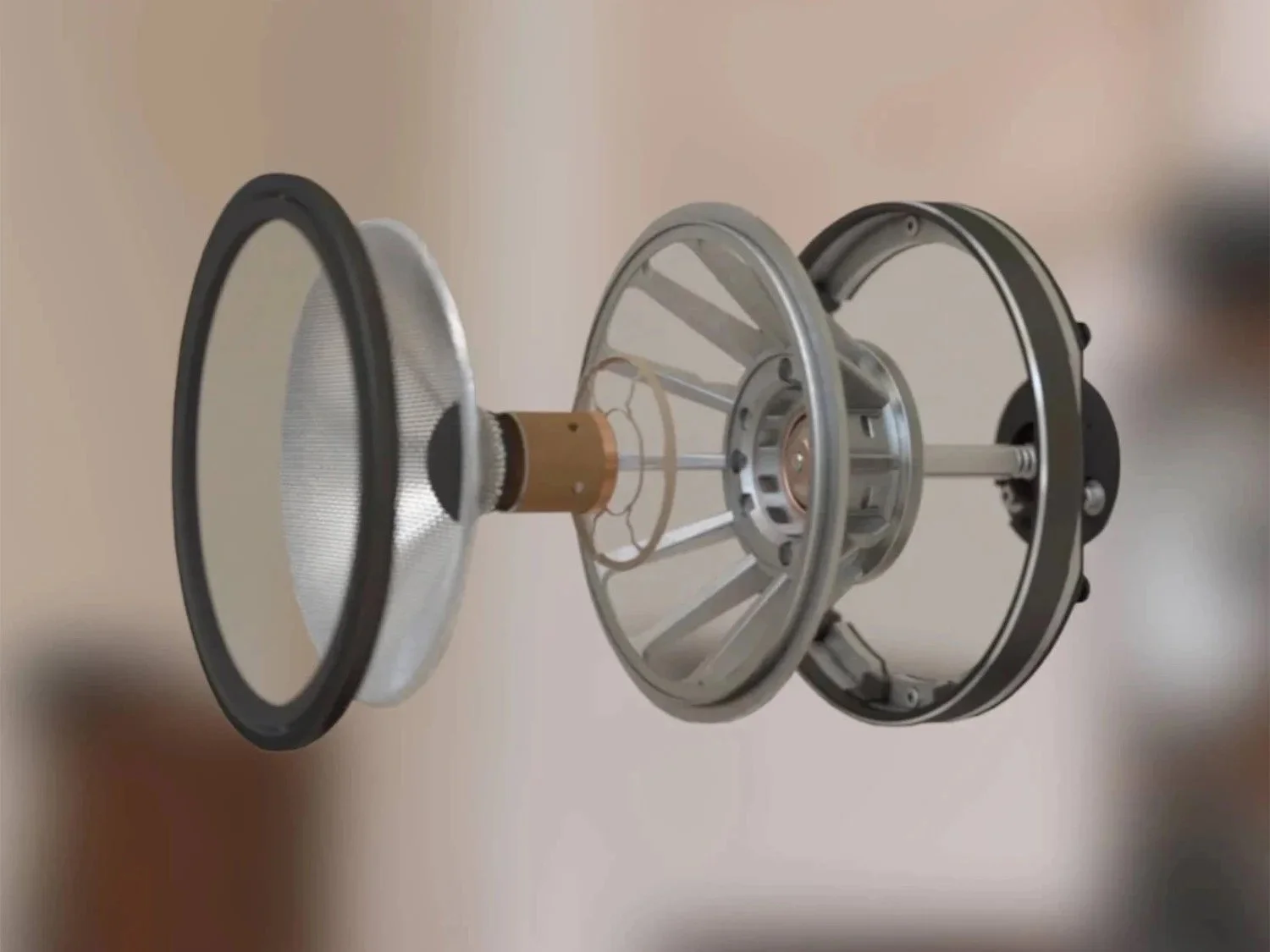
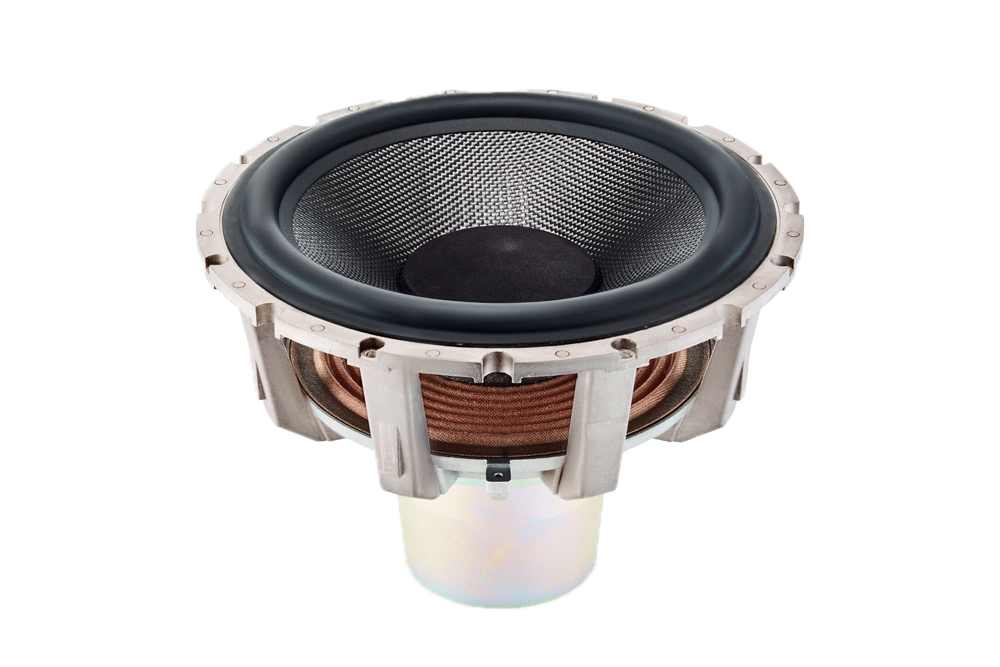
Aerofoil Bass Drivers
Dual 8-inch Aerofoil woofers give the HTM81 D4 real scale and dynamic headroom, allowing it to keep pace with large reference mains.
In this video, I plan to do something very unusual. I plan to compare a $10,500 Goliath to a much smaller though still capable center channel that comes in at under $500 on the used market. I don’t think you’ll find a similar comparison anywhere else on the Internet. But it highlights one of the points of this channel - cutting through the hype, - eliminating the BS - and evaluating what it’s really like to purchase, own, and live with this sort of equipment.
Today we are going to be examining the Bowers & Wilkins HTM81 D4 vs HTM72 S2 -
Two Center Channels, Two Design Philosophies -
In home theater, the center channel is often treated as an accessory—something chosen after the left and right speakers are already purchased. But in reality, the center speaker carries the majority of dialogue, it anchors the front soundstage, and does more work than any other speaker in the room.
Few companies understand this better than Bowers & Wilkins, and this point is illustrated in the HTM81 D4 and the HTM72 S2. –
The design of the HTM81 D4, is the kind that happens when you gather your design team, lock the bean counters out of the room and say “Don’t worry about the cost; Build something that looks like, sounds like, and performs on the same level as our flagship $46,000 speakers…
It was designed as a proper companion to the flagship 801 D4and 802 D4s.
It is enormous, heavy, expensive, and unapologetically performance-driven.
Continuum Midrange
The Continuum midrange driver is separately housed in a sealed aluminum enclosure inside the cabinet. This allows voices and dialogue to remain clean and unaffected by bass pressure inside the cabinet. The enclosure itself is bonded to the cabinet with dampening materials, mechanically isolating the enclosure and the midrange driver from the bass drivers.
Biomimetic Suspension
A major D4 generation upgrade replaced the conventional spider behind the midrange cone to reduce unwanted reflections and coloration. This technology was recently passed down to the 700 series S3 speakers and highlights the importance of the flagship product, which reduces cost constraints present in entry-level and mid-range product lines and promotes the development of new technologies that get passed down the product line over time.